
- +923107774151
In modern cricket, marginal gains determine success. With bowling speeds increasing, formats becoming shorter, and margins between victory and defeat shrinking, the modern batter must maximise every element of performance. While much attention is given to blade profile and willow quality, one of the most critical yet overlooked components of Cricket Bats remains the handle and overgrip system.
In 2026, advances in bat engineering and materials science have dramatically improved handling, construction and grip technology, transforming how players generate power, control timing, and maintain consistency under pressure. Understanding how bat handle design and overgrips influence control and performance is now essential knowledge for players at every level.
Batting in 2026 is a combination of technique, athleticism, and equipment optimisation. Modern bowlers deliver greater pace, movement, and tactical variety than ever before. As a result, bat control has become the foundation of effective stroke play. Even the finest blade cannot compensate for a poorly engineered handle or inadequate grip.
Professional manufacturers of Cricket Bats, including leading brands and global suppliers, now invest heavily in handle technology because improved control directly enhances performance outcomes.
This guide is written for beginners, club cricketers, league professionals, and equipment specialists seeking a deeper understanding of how handle and grip design influence modern batting.
The bat handle functions as the primary connection between the player and the blade. It determines how energy transfers through the bat and how the player perceives contact with the ball.
A modern bat handle consists of:
Natural cane strips (usually 6–12 pieces)
Rubber inserts between cane strips
Binding layers for structural integrity
Outer grip or overgrip
High-grade cane provides strength and flexibility, while rubber inserts absorb shock and regulate vibration. In 2026, many Cricket Bats Manufacturer operations use hybrid rubber compounds designed to increase vibration dampening without sacrificing responsiveness.
Advanced manufacturing now allows precise tuning of handle stiffness, flex zones, and vibration frequency. This level of engineering significantly improves batting control, especially in high-speed conditions.
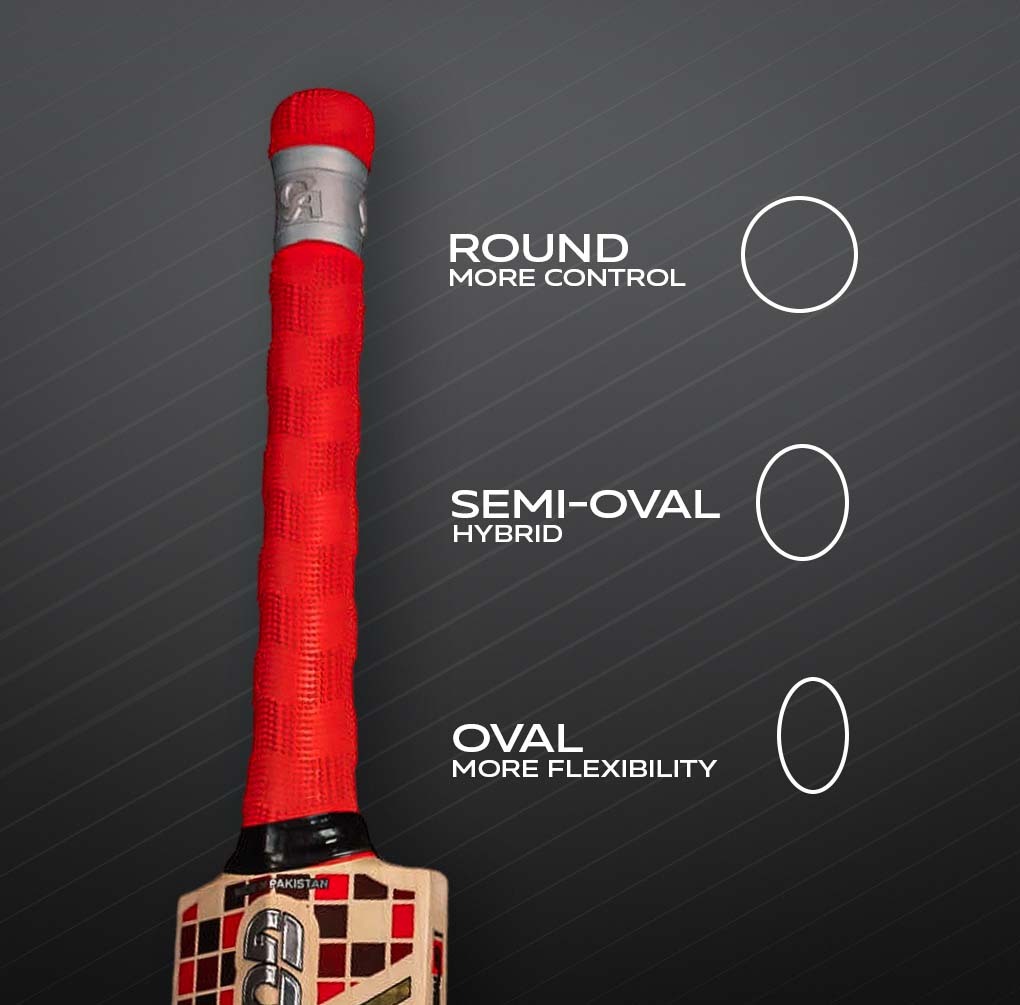
Round handles provide greater freedom of wrist movement and are preferred by aggressive stroke makers.
Oval handles enhance grip orientation and control, ideal for technically disciplined batters.
Short handles improve manoeuvrability, while long handles offer extended reach and leverage, particularly for taller players.
Thicker handles provide stability and reduce vibration, while thinner handles allow increased flex and shot acceleration.
Excess vibration reduces comfort, impairs shot feedback, and increases the risk of injury to wrists and elbows.
Modern handle systems incorporate:
Multi-layer rubber inserts
High-elasticity cane selection
Advanced binding materials
These features dramatically reduce shock transfer.
Improved vibration control lowers fatigue and protects joints, enabling longer innings and more consistent performance.
Handle flex plays a vital role in modern power generation. When the handle flexes optimally at ball contact, it stores and releases energy, enhancing bat speed and shot distance.
Correct flex synchronises with swing mechanics, allowing smoother timing and increased shot precision.
Players experience increased boundary potential without additional physical effort.
At high bowling speeds, handle flex compensates for reduced reaction time, improving contact consistency.
Overgrips serve as the final interface between the player’s hands and the bat, directly influencing control and comfort.
Modern overgrips use advanced polymer blends, micro-fibre coatings, and moisture-wicking surfaces.
Superior sweat management prevents slippage, ensuring a reliable grip in all playing conditions.
Optimal grip thickness improves wrist alignment and shot execution.
Enhanced absorption allows players to maintain consistent grip pressure throughout long innings.
Stable hand positioning promotes consistent bat face control and improved timing under pressure.
Technical batters prefer firmer handles with moderate flex. Power hitters benefit from enhanced flex and thicker grips.
Junior players require lighter handles and softer grips for safety and comfort.
Humid climates demand high-absorption grips, while dry conditions require enhanced traction.
Using an incorrect grip size
Ignoring handle flexibility
Failing to replace worn-overgrips
Selecting handle types unsuited to playing style
Replace overgrips every 10–15 playing sessions or sooner under heavy use.
Regularly inspect for cracks, binding wear, and structural fatigue.
Store bats in a moderate temperature and low humidity to preserve handle integrity.
Elite players in 2026 prioritise:
High-shock absorption handles
Tuned flex profiles
Advanced moisture-control overgrips
Regular grip replacement schedules
Manufacturers of modern English Willow Cricket Bats continue to integrate smart material technology to further improve control and durability.
✔ Proper handle type
✔ Correct flex rating
✔ Suitable grip thickness
✔ High moisture resistance
✔ Regular replacement plan
In 2026, elite performance is built on attention to detail. Bat handle design and overgrips, though often overlooked, exert tremendous influence on batting control, timing, comfort, and confidence. By optimising these components, players unlock higher levels of consistency and performance without altering their natural technique.
Investing in the right handle and grip system transforms not only the bat, but the batter.
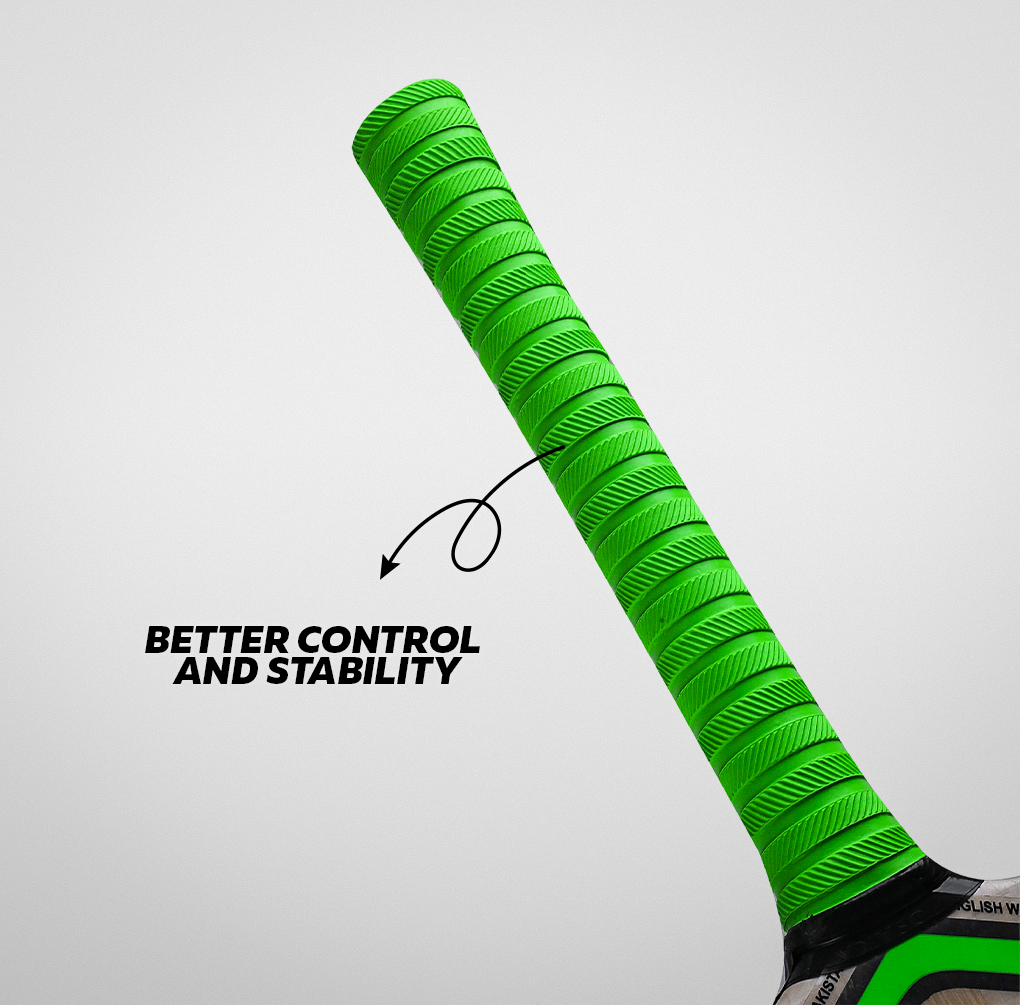
At CA International, performance starts with the details. From bat handle design to the right overgrip, every element plays a key role in how a batsman controls the bat and performs at the crease. A well-designed handle and quality overgrip help improve grip, reduce vibration, and provide better control during every shot.
Why Cricket Bat Balance Can Matter More Than Bat Weight
Why Tape Ball Cricket Is So Popular in Pakistan
Best Thigh Guards for Cricketers in 2026 – Complete Buyer's Guide
The Best Cricket Helmets with Advanced Face Guard Technology
The Story Behind English Willow From Forest to Cricket Pitch
How to Replace a Cricket Bat Grip Like a Professional
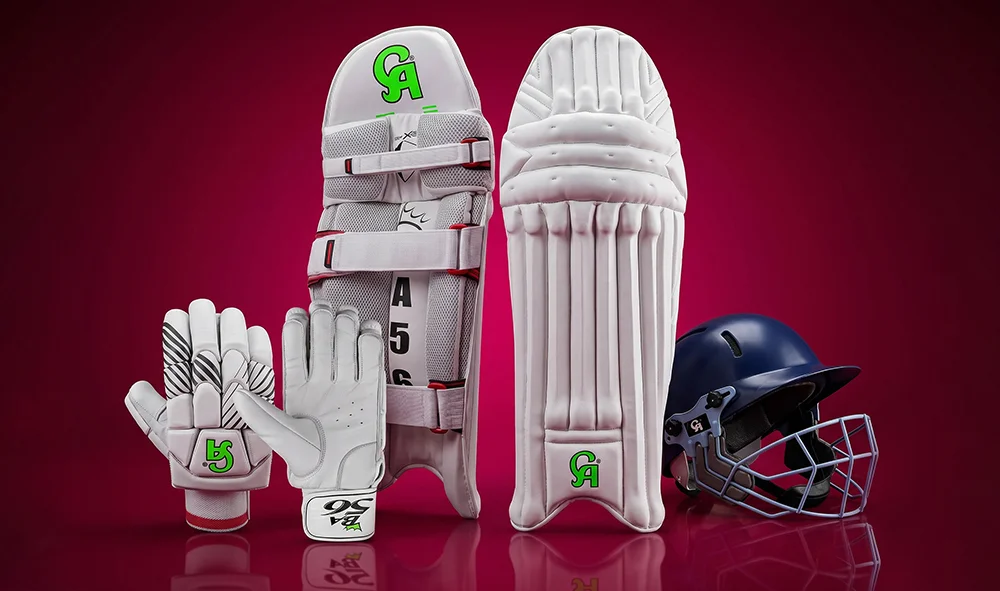
Why Quality Cricket Gear Matters in Competitive Matches

PSL 2026 Highest Run Scorer: Babar Azam Dominates with 588 Runs
 Multikart Angular
 Multikart React
 Multikart Shopify