
- +923107774151
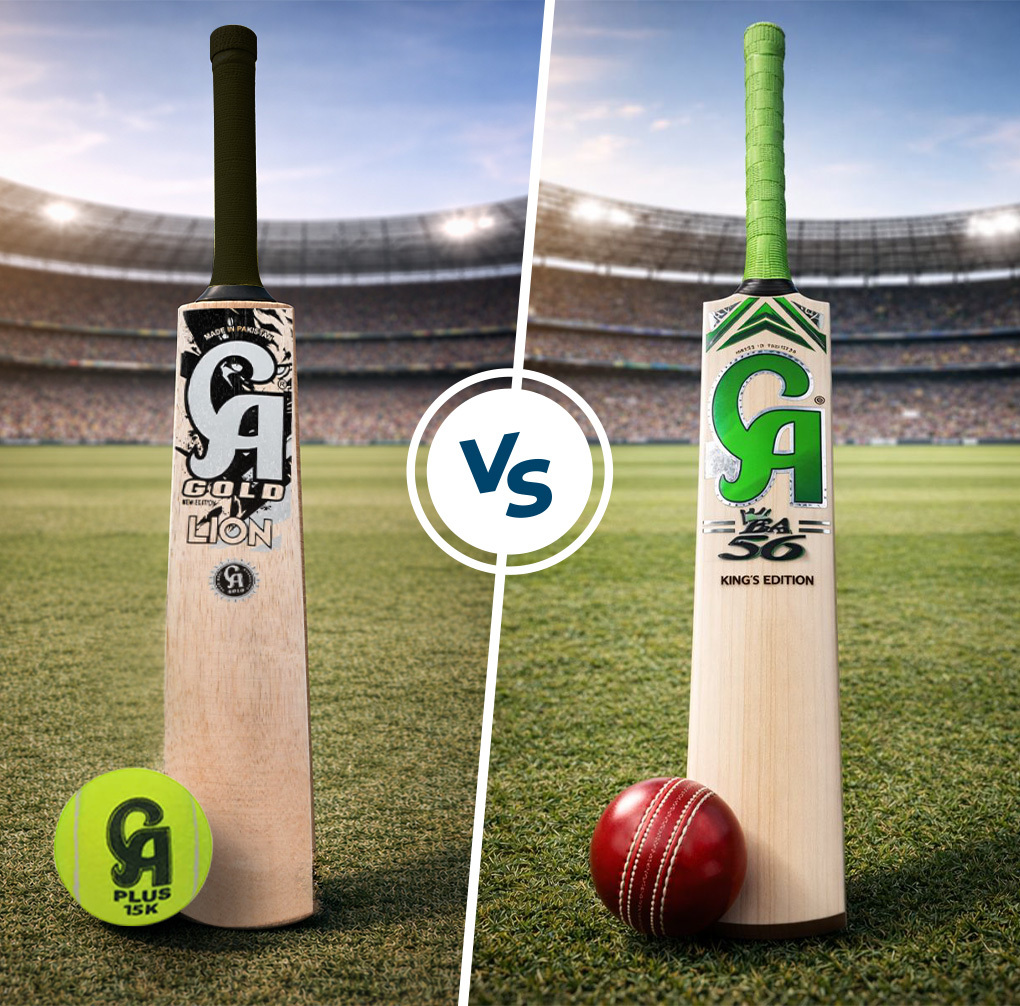
Cricket is more than just a sport; it’s a passion that runs deep in our veins. Whether you are playing a serious match on a green pitch on a Sunday morning or having a quick game in the street outside your house in the evening, the thrill of hitting a boundary is always the same.
However, the gear you use can change everything.
In the world of cricket, there are two main style categories: professional "hard ball" cricket and the fast-paced, exciting "tape ball" cricket. If you are new to the game, or looking to switch formats, you might be confused about what equipment you need.
Are the bats the same? Do you need pads for street cricket? In this guide, we will break down the essential gear differences in Hard Ball vs Tape Ball cricket so you can choose the right tools for your game.
The biggest difference in Hard Ball vs Tape Ball cricket is, naturally, the ball itself. This single item dictates almost every other piece of equipment you will need.
Cricket Hard Balls: A professional cricket hard ball is a serious piece of equipment. It is made of cork covered by tightly stitched leather. It is heavy, very hard, and can cause serious injury if it hits an unprotected part of your body. These balls are designed to bounce on professionally maintained pitches.
The Tape Ball (Soft Balls): A tape ball starts as a standard tennis ball. Players then tightly wrap it in electrical tape. Why do they do this? The tape makes the lightweight tennis ball heavier and smoother. This allows it to travel faster through the air and swing wildly, making it very difficult for the batsman. While it is heavier than a tennis ball, it is still considered one of the soft balls compared to the leather version. It stings if it hits you, but it won't break bones like a hard ball can.
Because the balls are so different, the bats used to hit them must also be different. Using the wrong bat can ruin your game or even break your expensive equipment.
Hard Ball Bats: The Power of English Willow When facing a heavy leather ball traveling at 130 km/h, you need a bat that is strong and solid. Professional hard ball bats are almost always crafted from premium English Willow bats.
These bats are thicker, heavier, and have a distinct "sweet spot" designed to punch the heavy ball to the boundary. If you use a thin, cheap bat against a hard ball, it will likely crack or vibrate so badly it hurts your hands.
Tapeball Bats: Built for Speed Tape ball cricket is all about speed. The ball comes fast, and you need to swing even faster to hit sixes. A heavy English Willow bat is often too slow for this format.
Tapeball bats are usually made from lighter wood, like poplar or Kashmir willow. They are thinner and much lighter than hard ball bats. This allows the batsman to generate incredible bat speed. Some tape ball bats also feature longer handles to provide extra leverage for hitting huge sixes in street matches.
This is where the "Hard Ball vs Tape Ball" debate gets serious. The safety requirements are completely opposite.
Hard Ball Safety You cannot play hard ball cricket without protection. A leather ball moving fast is dangerous. Every player must wear:
Batting Pads (Leg Guards): To protect your shins and knees.
Batting Gloves: Thickly padded gloves to protect fingers from being broken.
Helmet: Essential for protecting your head and face.
Abdominal Guard (Box): Absolutely vital protection.
Tape Ball Safety Because the tape ball is softer, you need very little safety gear. Most players play in street clothes.
Gloves: Some players choose to wear thin batting gloves or even simple wicketkeeping inners just for better grip and to stop the sting of the tape ball on cold hands.
Pads/Helmets: These are almost never used in tape ball cricket.
To help you decide which format suits your current mood, here is a quick breakdown:
Pros:
The "real" professional experience.
Use of high-quality English Willow bats.
Develops proper technique and patience.
Played on proper grounds.
Cons:
Equipment is expensive (full kit needed).
High risk of injury without proper gear.
Needs a proper pitch and large field.
Pros:
Very cheap to start (just a bat and a taped tennis ball).
Fast-paced, exciting, and full of big hits.
Can be played anywhere (streets, parking lots, parks).
Low risk of serious injury.
Cons:
Doesn't always build proper professional batting technique.
Tapeball bats break more easily than high-quality willow bats.
The tape on the ball needs constant replacing.
Understanding the differences in Hard Ball vs Tape Ball gear is the first step to enjoying the game safely. Hard ball is about technique, endurance, and using robust equipment like Cricket Hard Balls and thick willow bats. Tape ball is about speed, reflexes, and having fun anywhere with lightweight gear.
Many top international players, especially fast bowlers, started their journey playing tape ball in the streets before moving to the professional format. Both styles are fantastic for improving your cricket skills.
Whether you need a top tier English Willow bat for your next club match or a lightweight bast for street tape ball, CA International has you covered. We have been manufacturing world class cricket gear for decades right here in Sialkot.
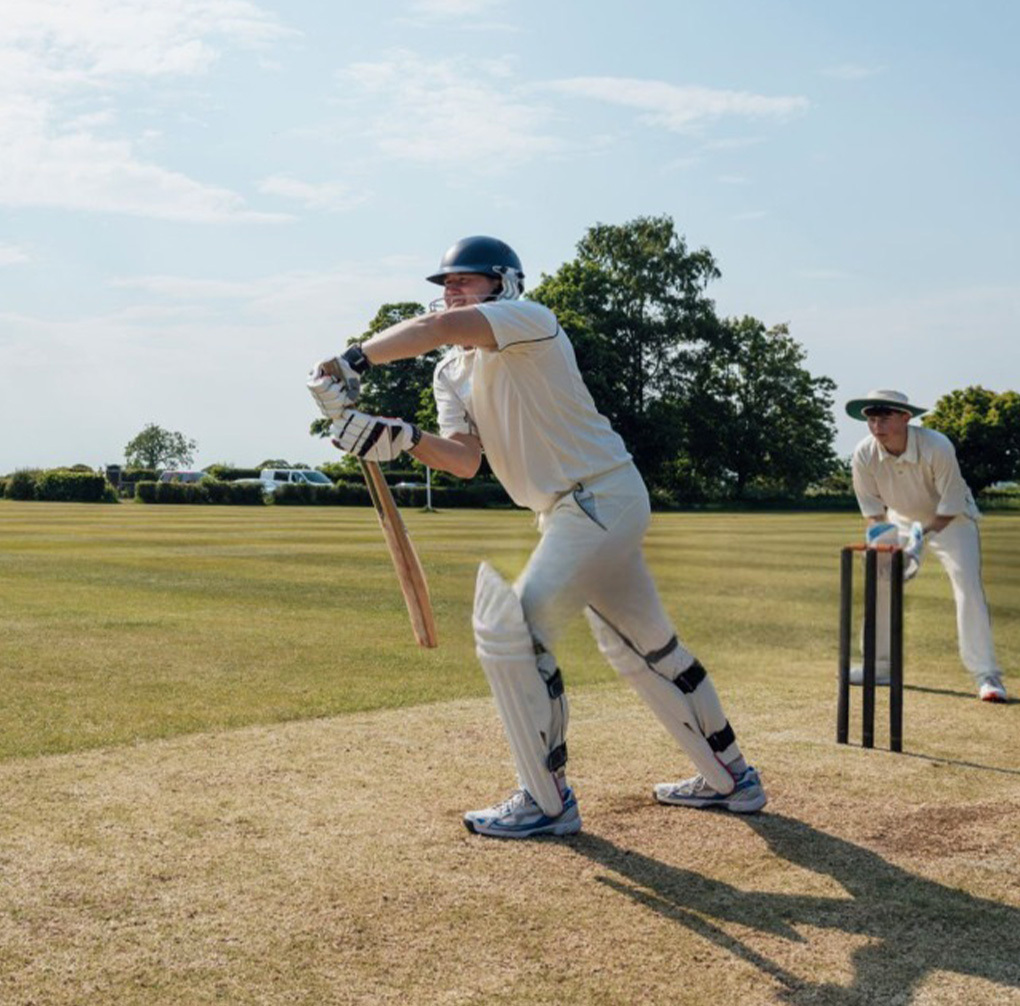
Street Glory vs. Stadium Success. 🏏 The Hard Ball and Tape Ball represent the two halves of the cricketing world. One is a game of patience and tradition; the other is a game of speed and innovation. But which format actually builds a better player? We’re diving deep into the 'Versus' of the century to see how CA International’s latest 2026 range is bridging the gap between the gully and the ground.
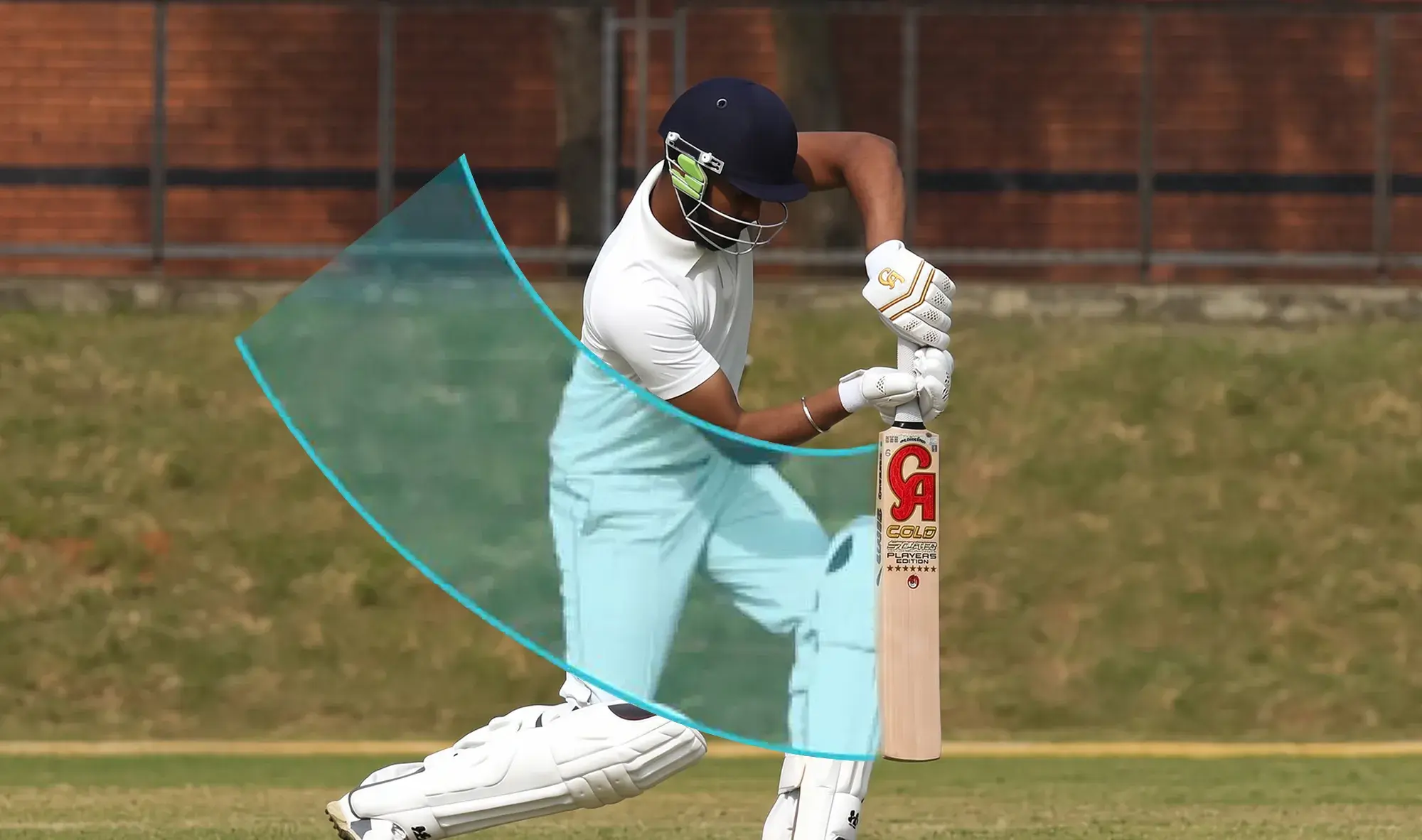
Why Cricket Bat Balance Can Matter More Than Bat Weight
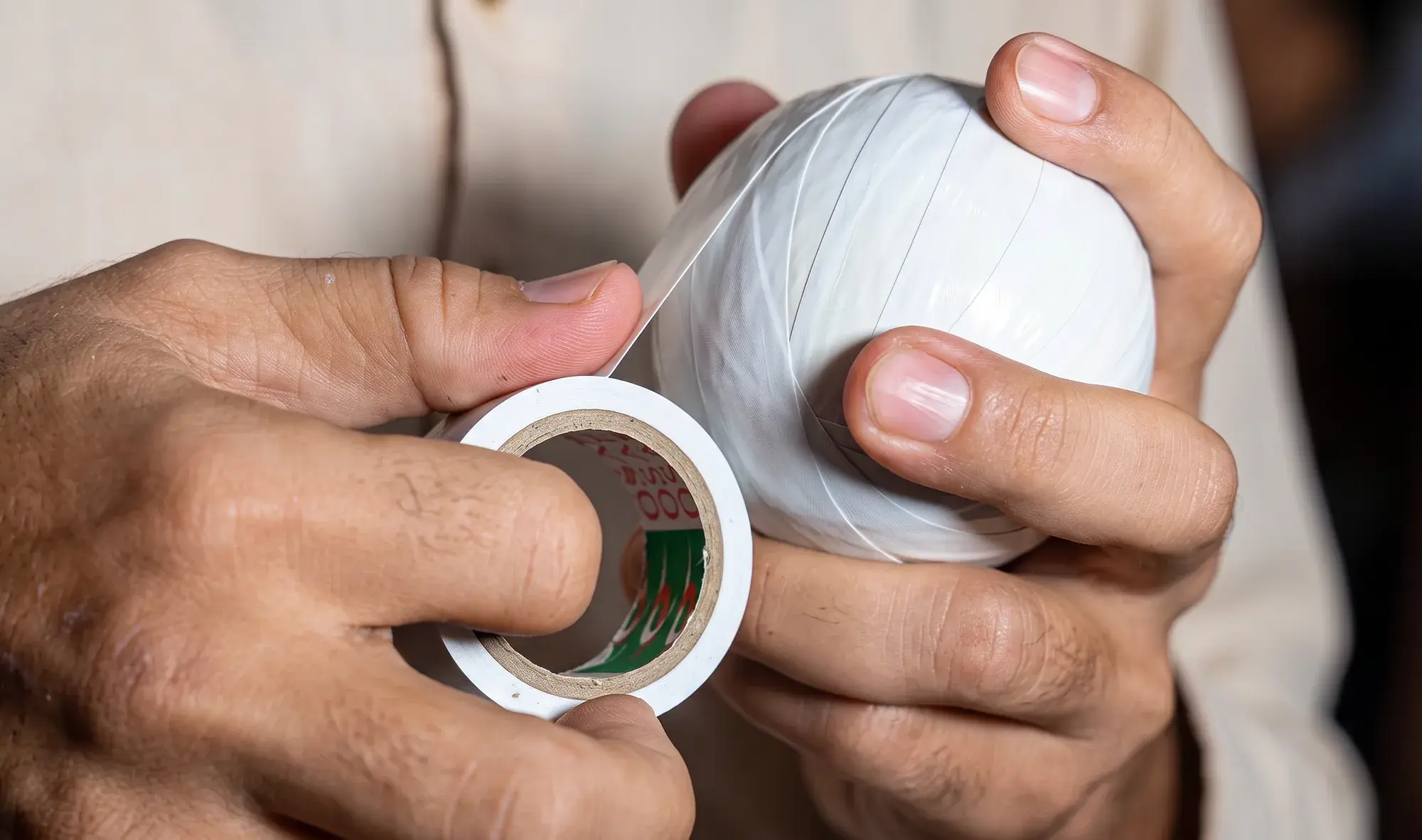
Why Tape Ball Cricket Is So Popular in Pakistan
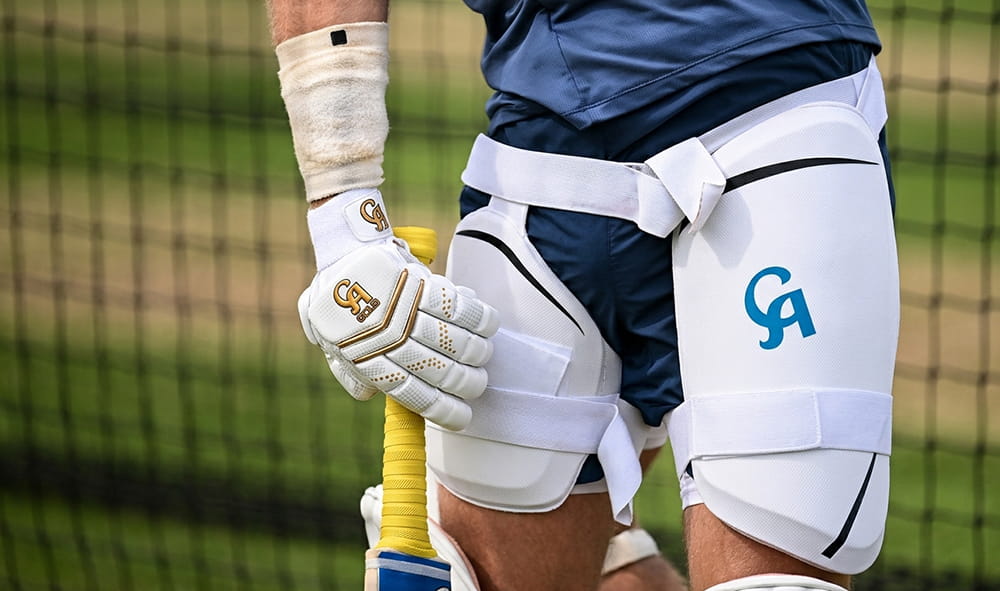
Best Thigh Guards for Cricketers in 2026 – Complete Buyer's Guide
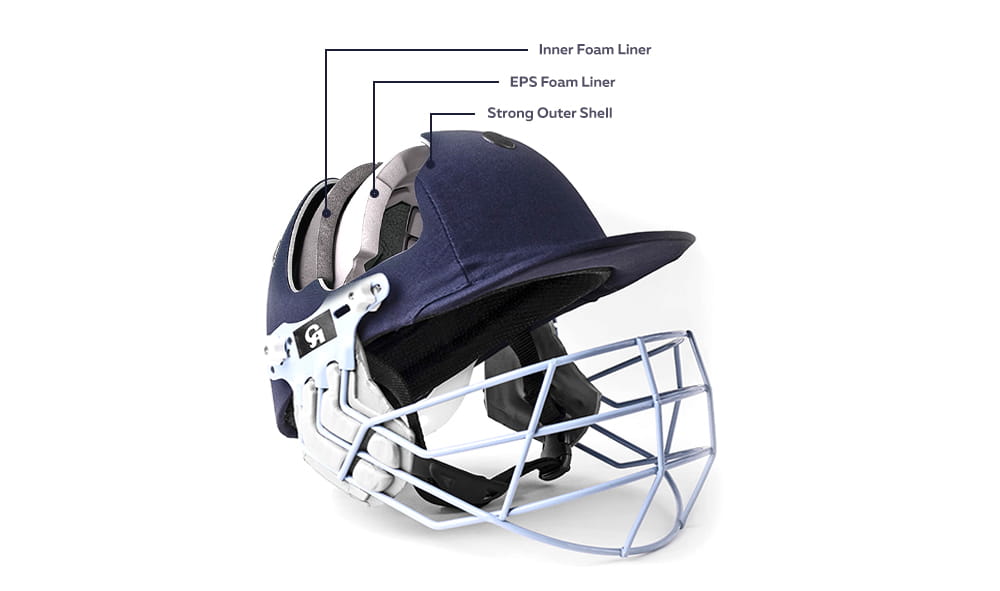
The Best Cricket Helmets with Advanced Face Guard Technology
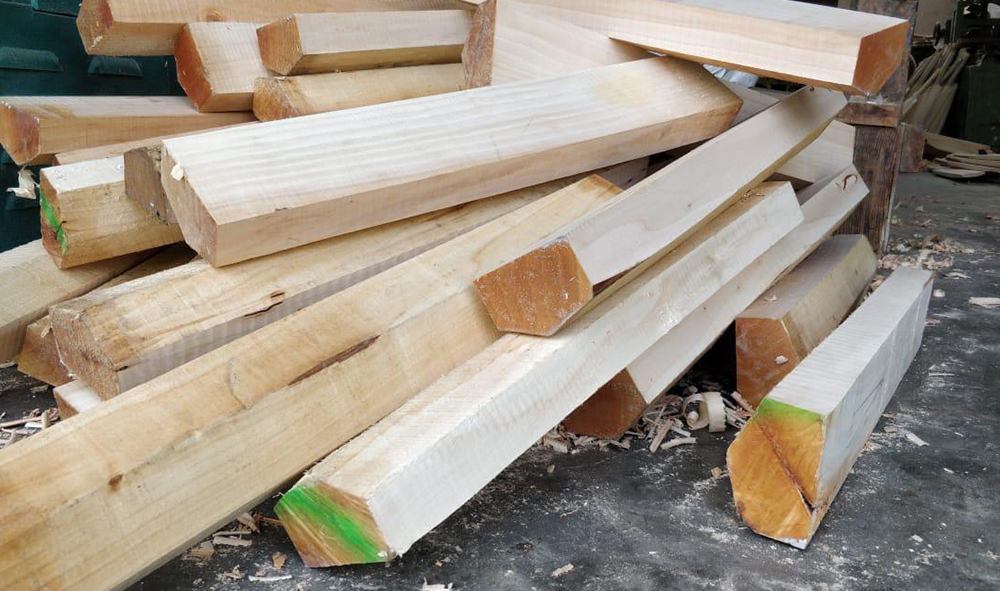
The Story Behind English Willow From Forest to Cricket Pitch
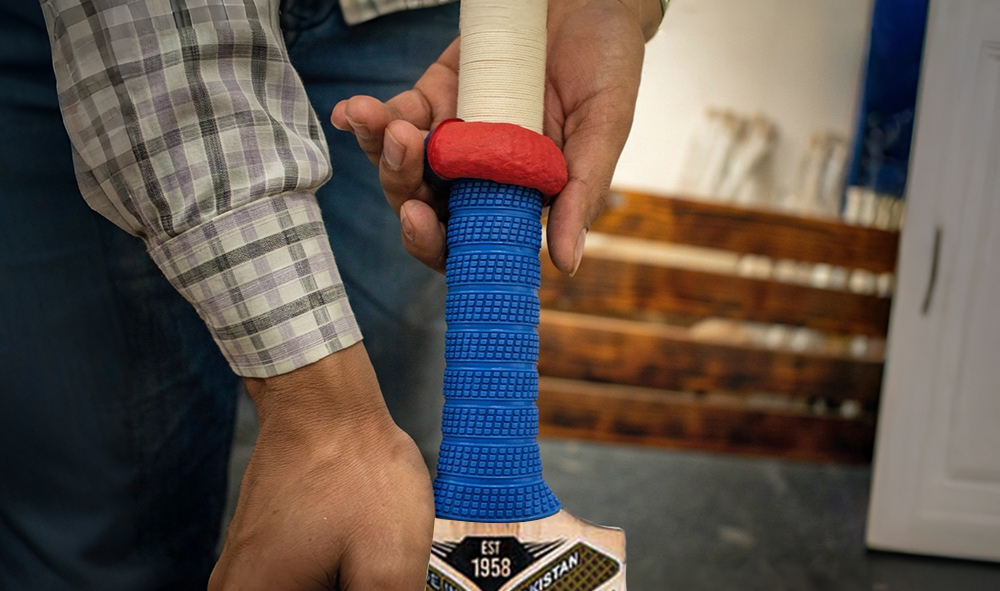
How to Replace a Cricket Bat Grip Like a Professional
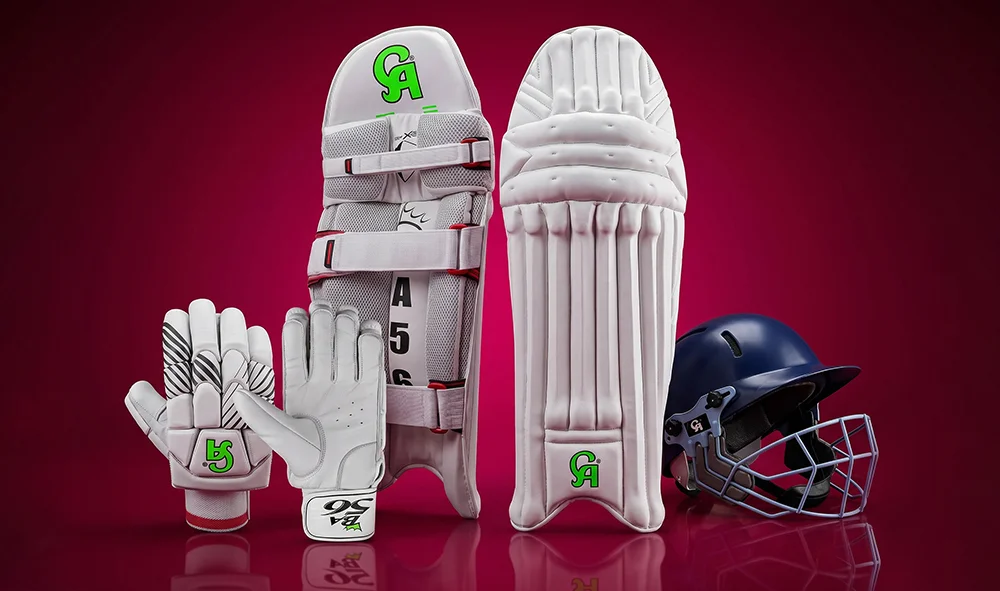
Why Quality Cricket Gear Matters in Competitive Matches
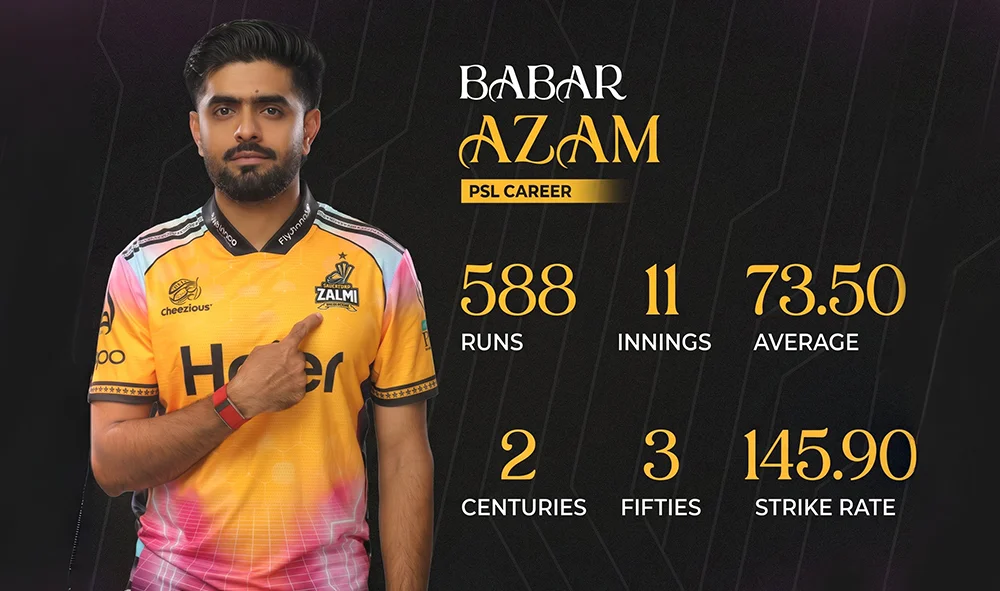
PSL 2026 Highest Run Scorer: Babar Azam Dominates with 588 Runs
 Multikart Angular
 Multikart React
 Multikart Shopify